Car paint does far more than make a vehicle look good. It protects the metal underneath, helps prevent rust, and maintains the car’s resale value. When scratches, chips, and peeling paint are ignored, the damage spreads and becomes expensive to fix later.
Most paint issues begin small. They come from everyday use, weather exposure, and minor impacts. Over time, they add up and make a car look tired. Some of the most frequent causes include:
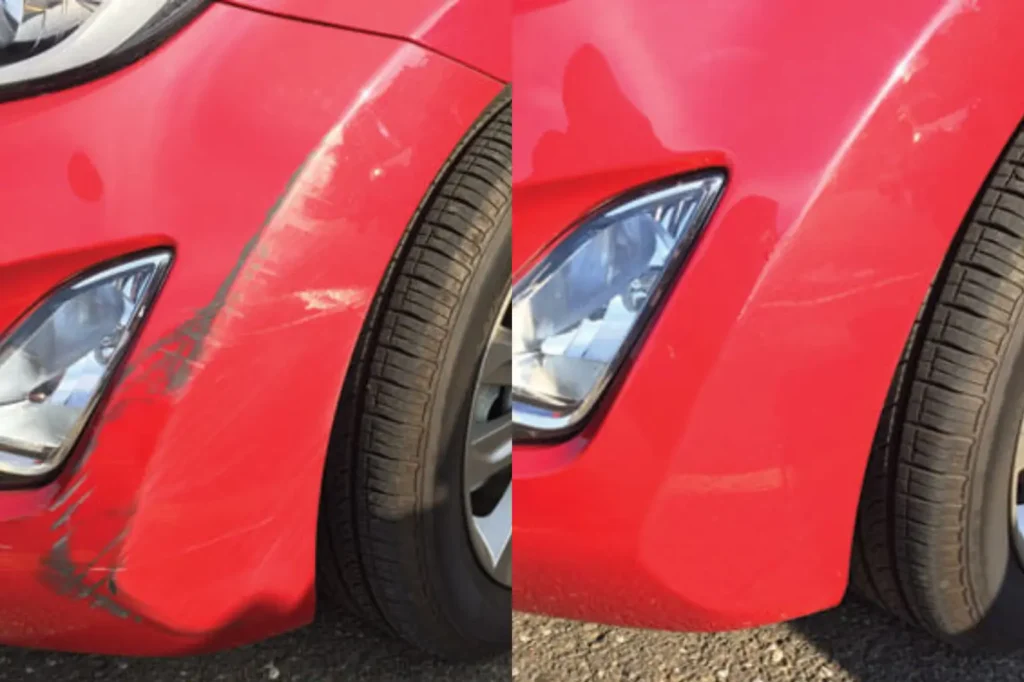
• Deep scratches from keys or road debris
• UV fading from sunlight
• Stone chips on bumpers and bonnets
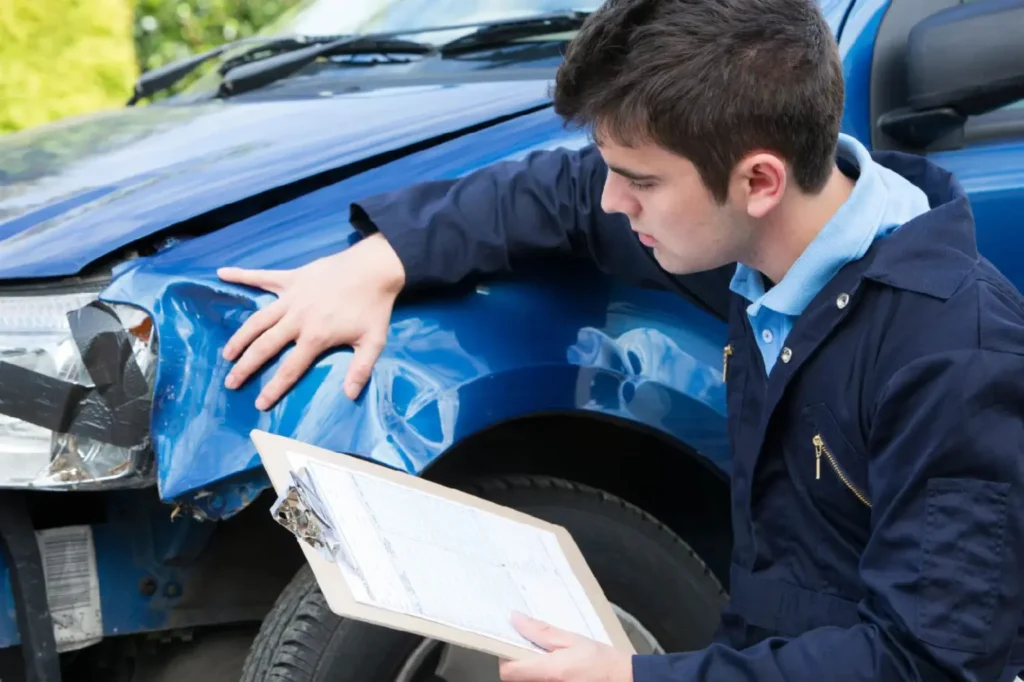
• Minor accidents or panel damage
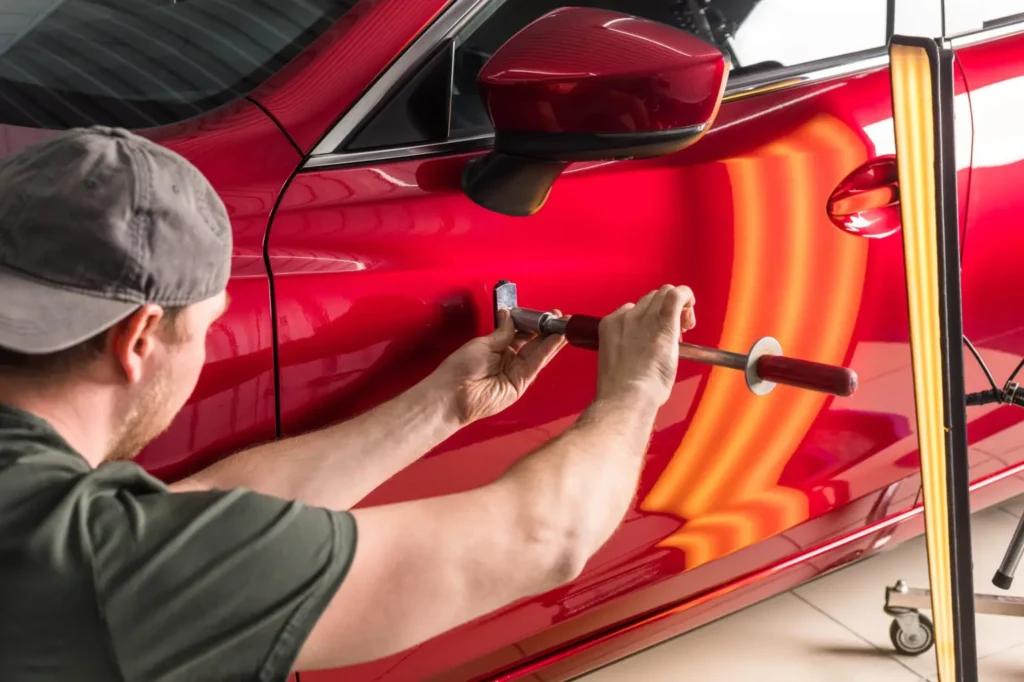
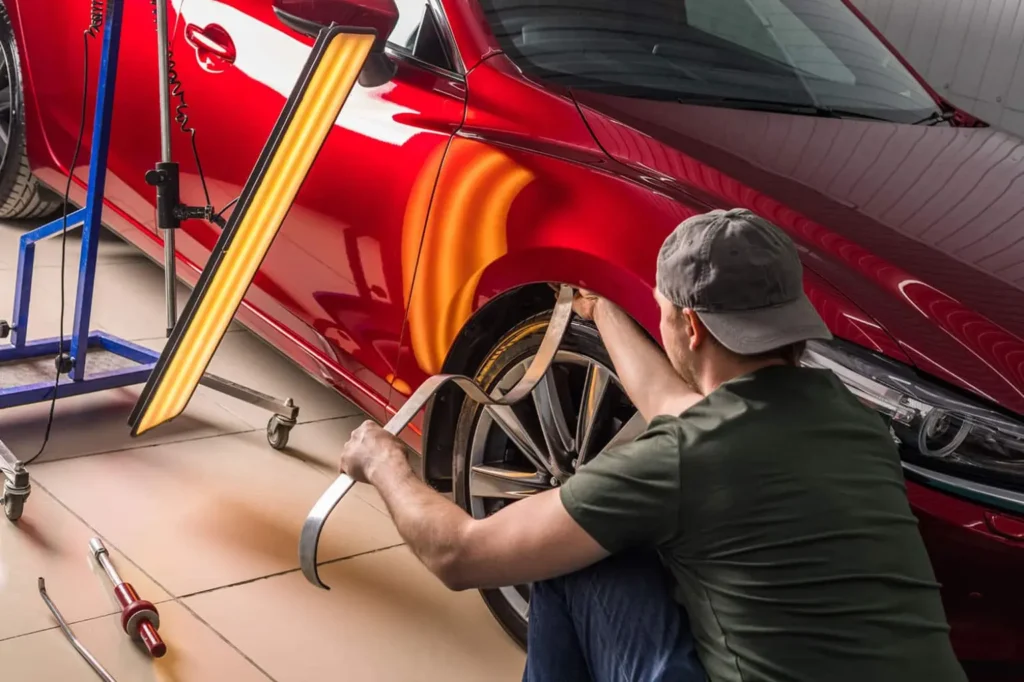
Quality repair is not about covering damage — it’s about restoring protection and appearance correctly. A proper process usually includes:
• Surface preparation and cleaning
• Filling and smoothing damaged areas
• Precision colour matching to factory specs
• Controlled repainting and careful blending
Done right, the repaired area should look seamless and natural.
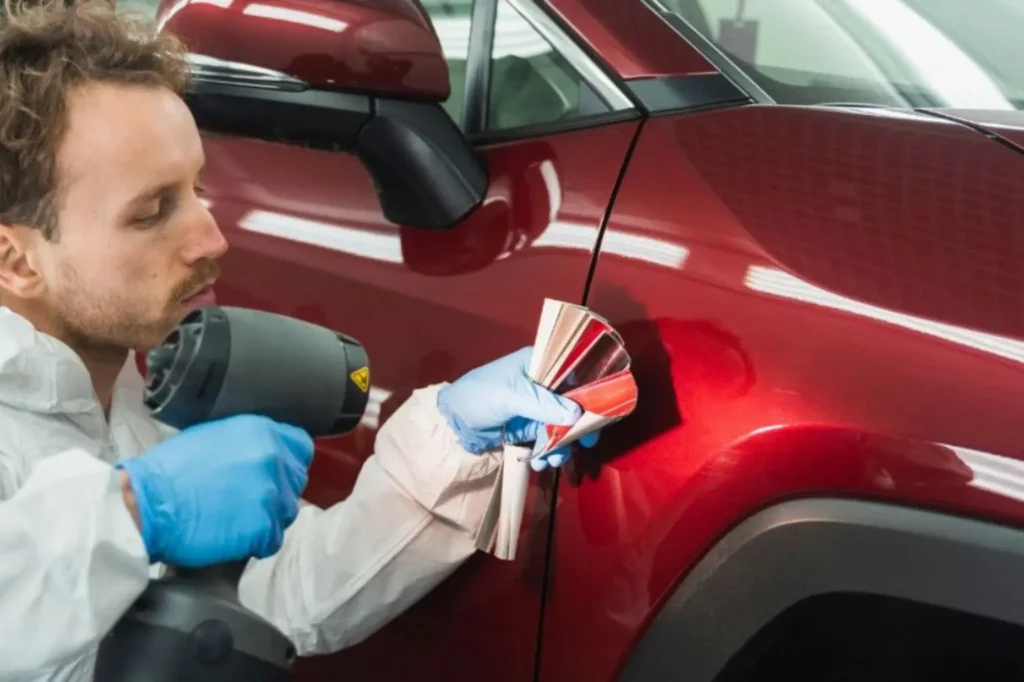
Nothing looks worse than a panel that is “almost” the right shade. Professional colour matching considers paint codes, age of the vehicle, and lighting. Skilled technicians make subtle adjustments so the repaired panel blends with the rest of the car and does not stand out.
Touch-up pens and cheap repair kits often create uneven patches and dull spots. They may hide a scratch temporarily but usually reduce the overall appearance — and can lower vehicle value. Professional repair is the safer option when:
• Bare metal is visible
• Paint is peeling or cracking
• Damage covers more than a small spot
• The vehicle is leased or being sold
A clean, well-repaired paint finish signals that a car has been cared for. It helps avoid lease penalties, improves resale price, and stops rust before it starts. Investing in quality paintwork now means fewer repairs and better protection later.
Short, helpful reads selected to guide you on repairs, maintenance, and keeping your car looking its best.